Psychology Behind Dominatrix & BDSM Roles: Why Power Play Is More Mainstream Than You Think
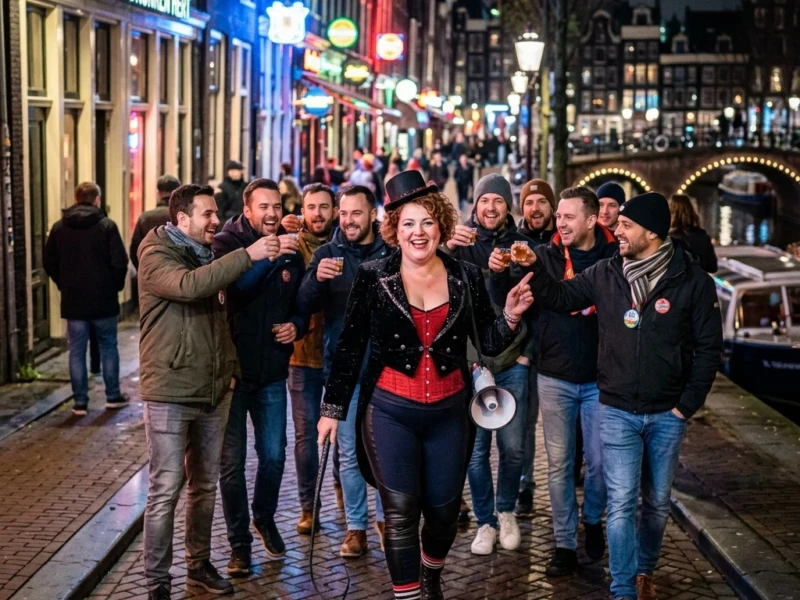
Search trends don’t lie. Over the past few years, interest in dominatrix experiences has surged — not just among niche communities, but among everyday people planning nights out, stag weekends, and once-in-a-lifetime group experiences.
So what’s really behind this curiosity? And why does dominatrix culture now feel far less “underground” than it once did?
The short answer: power play is better understood, better regulated, and more culturally accepted than ever before. And the reality looks very different from the myths.
Dominatrix Experiences Are Structured — Not Chaotic
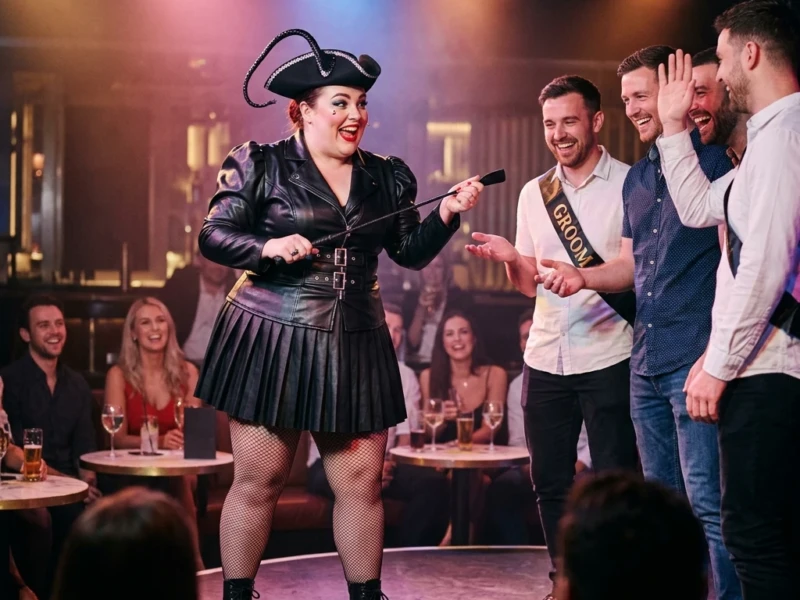
One of the biggest misconceptions about dominatrix experiences is that they involve chaos, humiliation without limits, or unpredictable behaviour. In reality, professional dominatrix sessions — especially those designed for stag groups — are highly structured forms of entertainment.
Think of it less as uncontrolled shock value and more as theatre with clearly defined roles. Expectations are set in advance, boundaries are agreed upon, and the experience follows a planned arc. In group settings, the tone is often playful and comedic, designed to create memorable moments rather than genuine discomfort.
For many stag parties, this structure is exactly what makes the experience appealing: it’s bold, different, and funny — without crossing lines.
Consent, Rules, and Safety Come First
Modern BDSM culture is built on something many people don’t expect: exceptionally high standards of consent and communication.
Key concepts such as:
- safe words
- explicit boundaries
- and aftercare
originated within BDSM communities long before they became common language elsewhere.
These systems exist precisely to ensure that everyone involved feels safe and respected at all times. In fact, compared to many unstructured nightlife experiences fuelled by alcohol and peer pressure, professional dominatrix shows often operate under clearer rules and safer conditions.
This emphasis on consent is one of the reasons interest has grown — people feel reassured knowing exactly what they’re signing up for.
Power Play Isn’t About Trauma or Dysfunction
Another persistent myth is that people interested in dominance or submission must be driven by trauma or psychological issues. Research and real-world experience increasingly show this simply isn’t true.
In fact, many submissive clients share an unexpected profile:
they’re often people with a lot of responsibility in daily life — managers, founders, executives, and decision-makers.
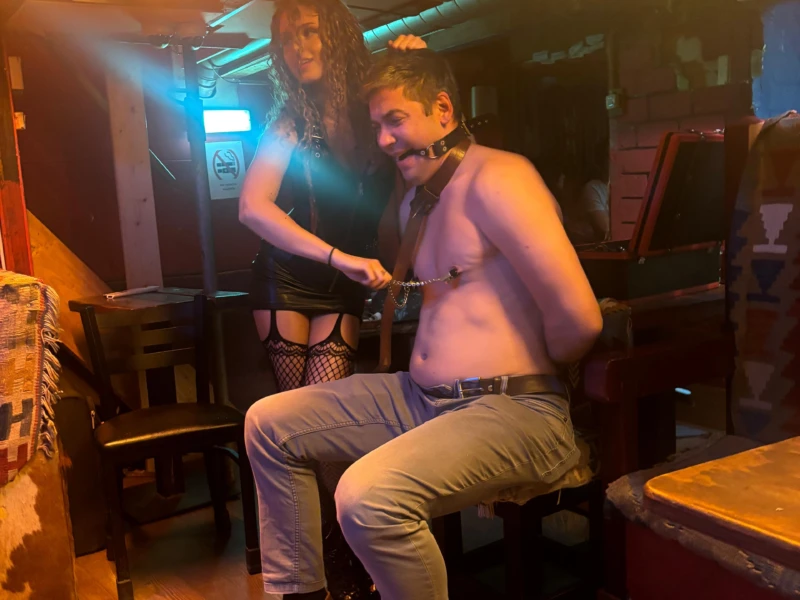
For them, consensual power play offers something rare: temporary relief from control. By willingly handing over authority in a clearly defined, time-limited setting, they can switch off mental pressure and experience genuine relaxation.
Far from being unhealthy, this kind of role reversal can be psychologically restorative.
Why This Is Becoming Mainstream
You may have noticed dominatrix imagery appearing far beyond clubs and private spaces — in fashion, advertising, music, and pop culture. Power-play visuals increasingly symbolise confidence, autonomy, and authority, particularly for women.
As these images move into the mainstream, curiosity follows. What once felt taboo now feels culturally relevant, even empowering. That shift has made people more comfortable asking questions, exploring ideas, and — in some cases — trying new experiences in safe, controlled environments.
Interest doesn’t necessarily mean commitment. Often, it simply means people want to understand.
Dominatrix Culture and Modern Feminism
Another reason dominatrix culture has gained acceptance is its alignment with consent-first, choice-driven feminism.
Power exchange in BDSM isn’t about exploitation — it’s about agency. Both sides actively choose their roles, set limits, and retain the right to stop at any time. That emphasis on autonomy resonates strongly with modern ideas around empowerment and bodily choice.
In this context, dominance isn’t imposed. It’s negotiated — and that distinction matters.
What This Means for Stag Groups
Not every stag group wants the same level of intensity — and that’s completely fine.
Modern dominatrix experiences are scalable and customisable. Some groups prefer a lighthearted, tongue-in-cheek performance that leans into humour and spectacle. Others opt for something bolder. The key point is that it’s never all-or-nothing.
You can make the experience wild or keep it playful. The structure allows groups to choose what suits their dynamic, comfort level, and sense of humour.
Curiosity Is Normal — Choice Is Key
The rise in interest around dominatrix culture doesn’t signal something extreme or fringe. It reflects a broader shift toward openness, education, and consent-based exploration.
Whether you’re simply curious, researching options for a stag weekend, or looking to understand why this topic keeps popping up — knowledge removes stigma. And informed choice is always better than assumption.
In cities like Amsterdam, where open-minded culture meets professional standards, that curiosity can be explored safely, respectfully, and on your own terms.